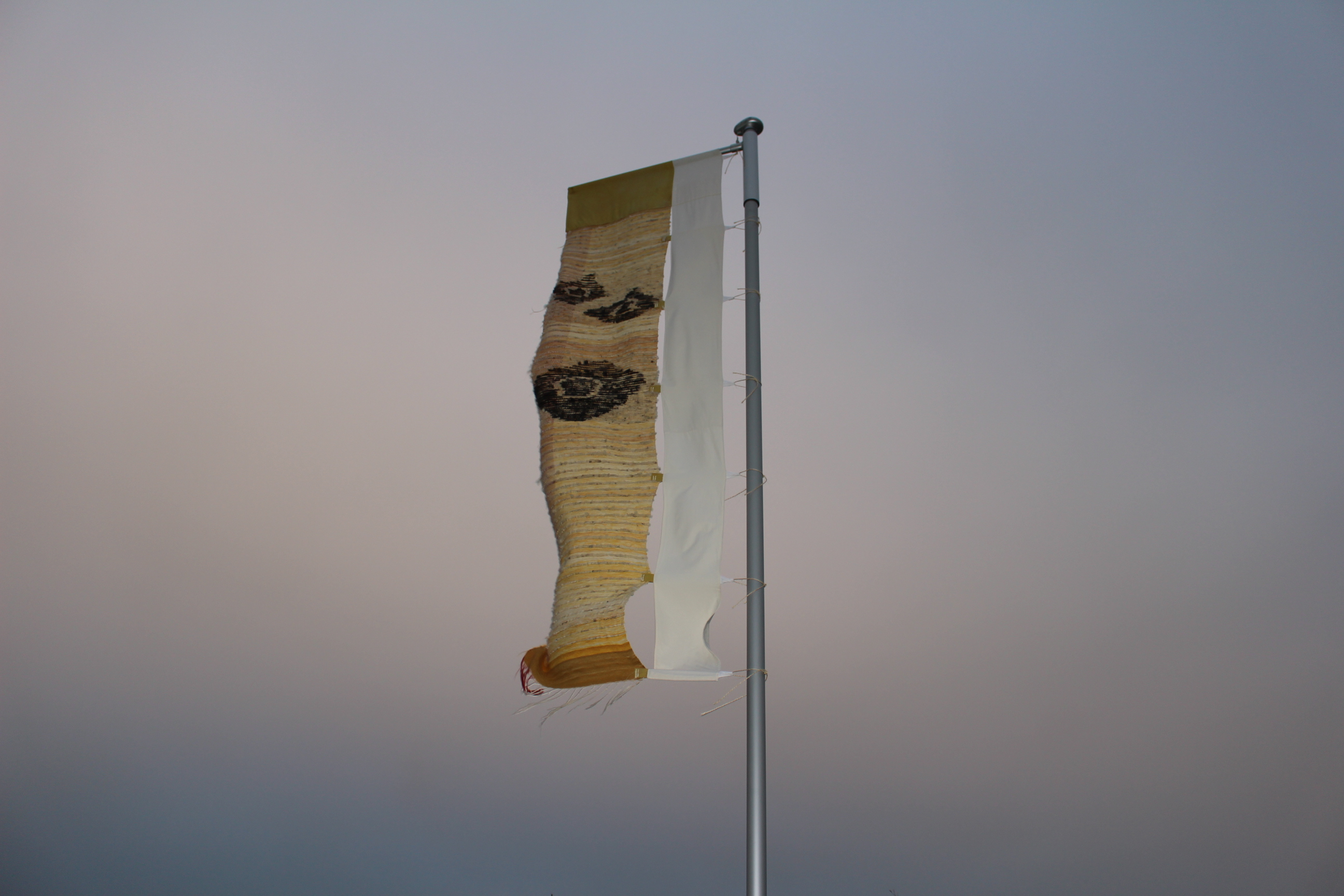
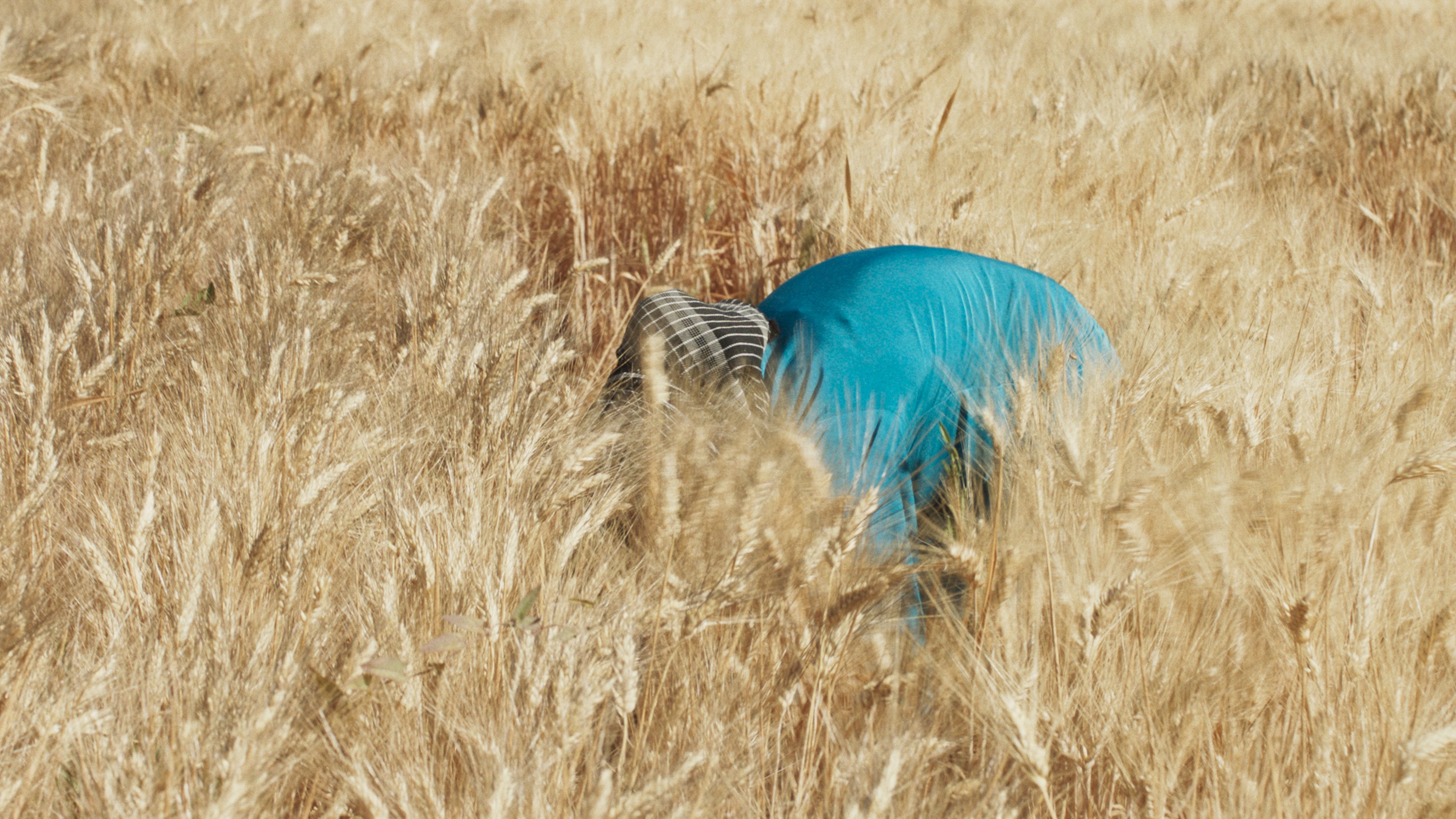
For REST, materials function as memory; they can reveal a past, offer insight into the present, and contribute to the imagination of possible futures. Following the movement of materials, an image of humans emerges. This year's focus is on sedimentation: the process by which loose material is deposited by water or wind. By accumulation and settling, information can be held, preserved, and stored. Today's material culture is tomorrow's archaeology. The soil reveals traces from millennia ago until just a few years back, but both carry different connotations. Where does the line lie between valuable and valueless, old and new, and between heritage and waste? What makes certain things last while others decay and are forgotten?
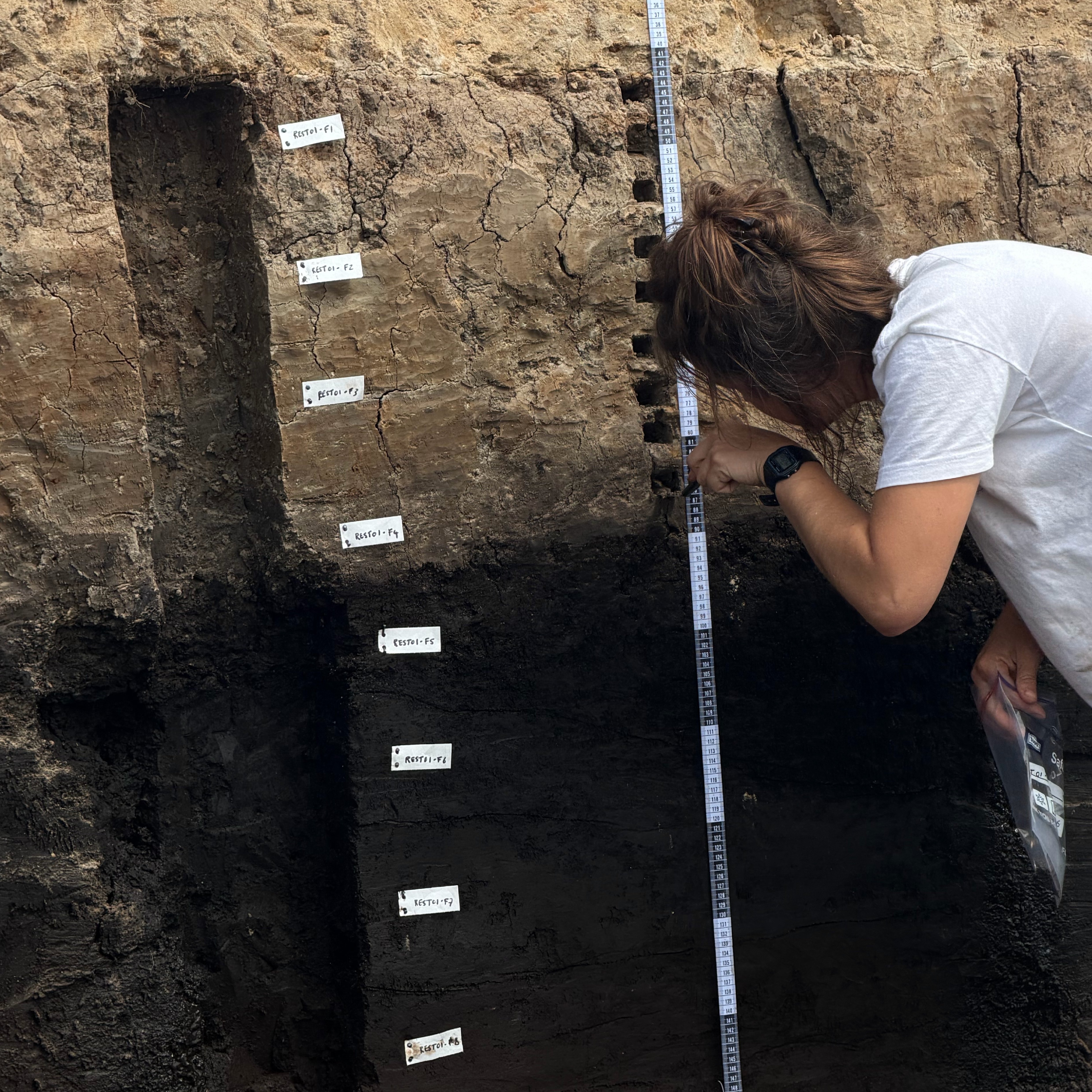
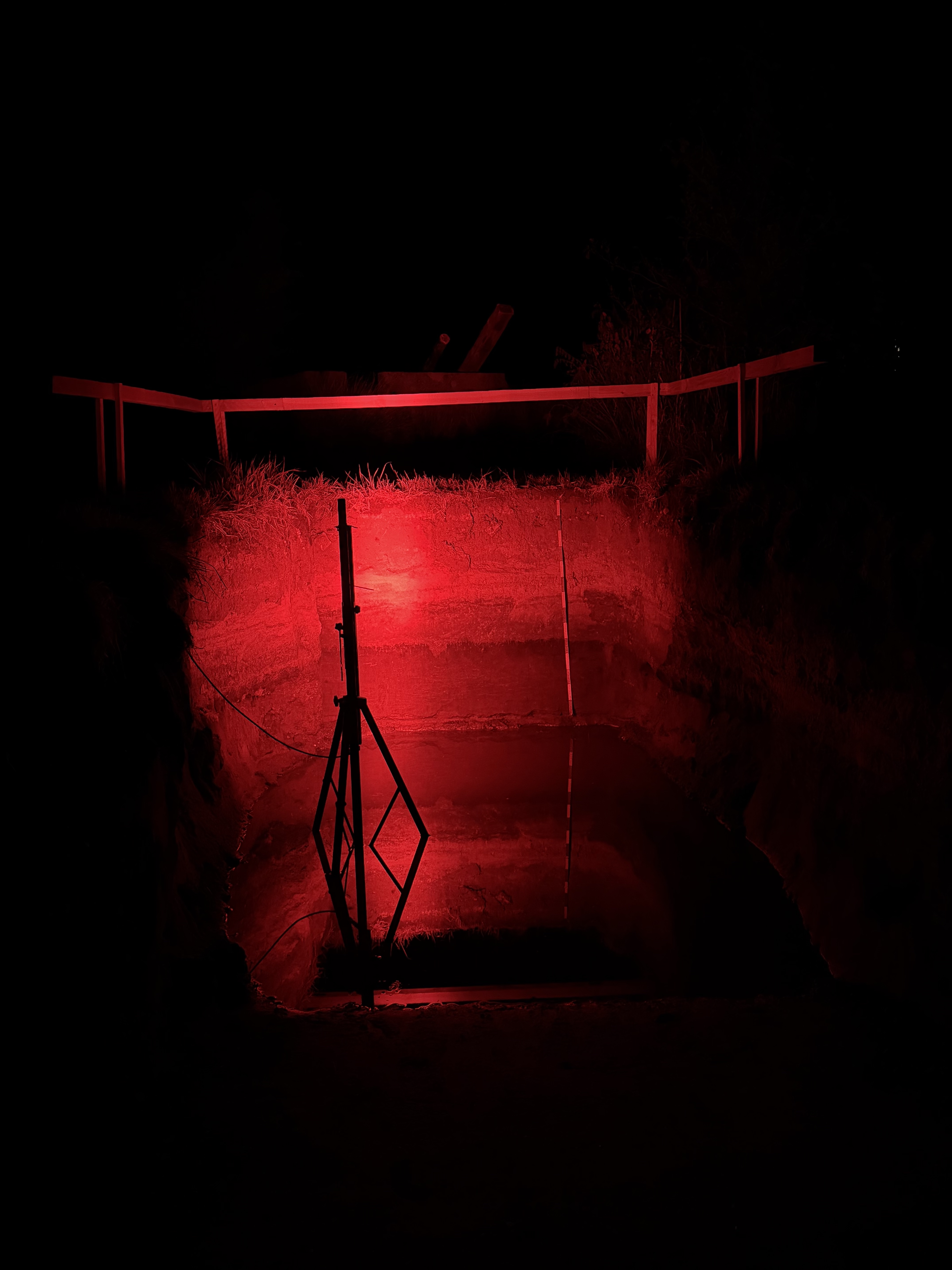
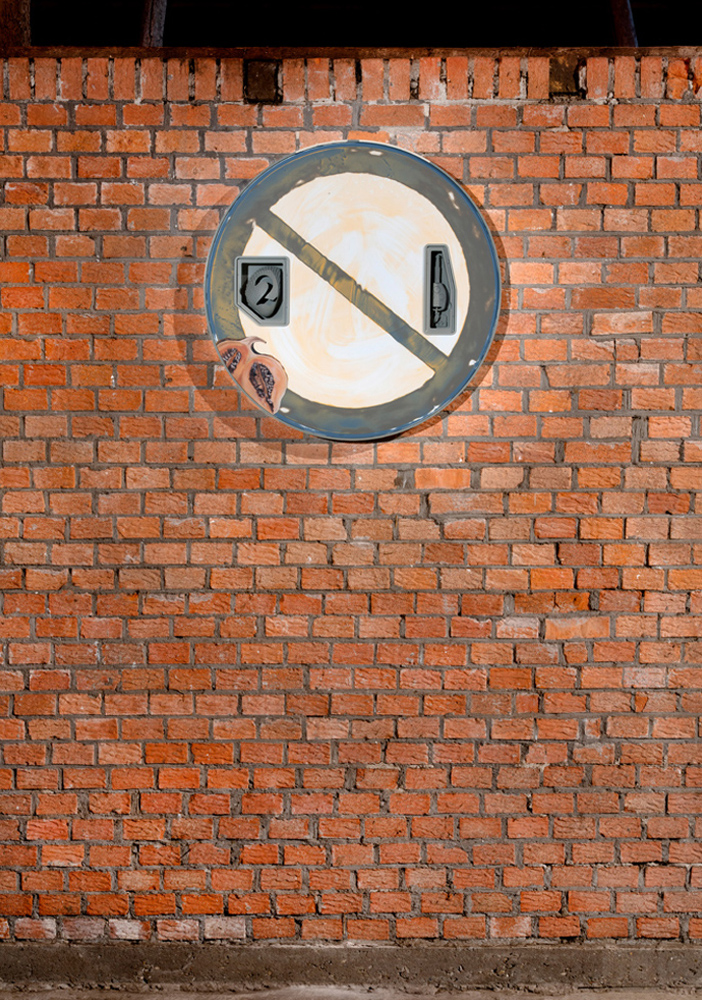
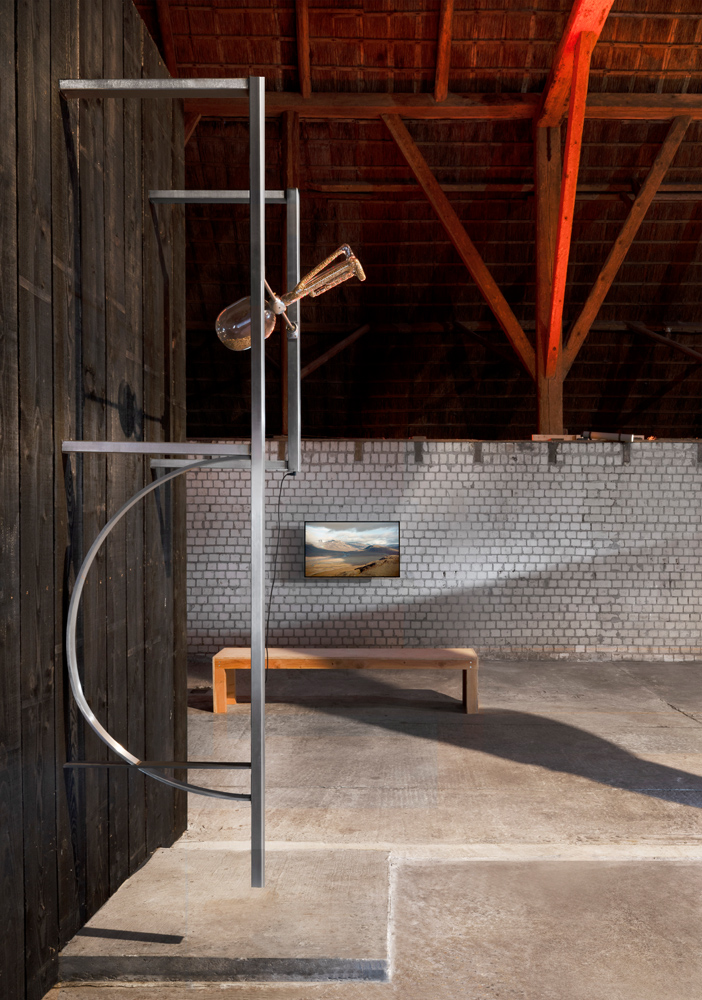
The presentation Muddy Minds featuring Jumana Manna, Alexandra Hunts, Matilde Yilmaz and Magali Reus is centered around a geo-archaeological excavation. Layers of sand, peat, loam, and (fired) clay in the profiles are formed across different timescales by natural, human, or combined processes. The Saalian ice age, sea-level rise, land reclamation, flooding, geo-engineering, land consolidation, and present-day use converge into a single image. Layer by layer, geo-archaeologist Ella Egberts and REST unravel the many appearances of our surrounding through preserved seeds, lugworms, reed peat, and sand pits. Similarly the exhibited artworks interrogate the entanglement of our ecological, political, and social fabric. Both archaeology and art make visible the value systems and expose the ongoing process of selecting what we preserve, forget, or discard.
Muddy Minds
1 August – 12 September 2026
Friday – Saturday, 12 – 17h
REST – Wieldyk 8, Mirns
Admission free
Participate, with geo-archeologist Dr. Ella Egberts
Saturday 8, 15, 22 August 2026
Visitors are invited to participate in the archaeological research
Walk/Talk, with Alexandra Hunts and Dr. Ella Egberts
Saturday, 15 August 2026, 14:00 – 16:00
Sign up via info@rest.earth
Workshop-dinner with the land
Saturday, 22 August 2026, 14:00–20:00 /
Sunday, 23 August 2026, 14:00–20:00
Sign up and book a spot / tickets
Kids-workshop, with Studio Dicky
Saturday, 5 September 2026, 14:00 – 16:00
Sign up via info@rest.earth
For more information keep an eye on @rest_earth