REST is a transdisciplinary project that explores the dispersion of materials as a resource for understanding ourselves today. Materials are the memory of their surroundings, they bear witness to the long account of human effort in shaping the world. They relate to natural and cultural environments and are shaped by historic, ecological, social and political dynamics. Therefore, materials reveal different pasts, reflect the present and set the framework for possible futures.
REST is initiated by artist Saskia Noor van Imhoff and designer Arnout Meijer. In their practice they question the knowledge systems, perceptual mechanisms and paradigms that dictate our lives. What makes certain things last while others are less valuable and discarded, concealed or forgotten? Through situated and embodied research on sites, things and beings REST connects different narratives in an attempt to shift perspectives and create new, tangible outcomes.
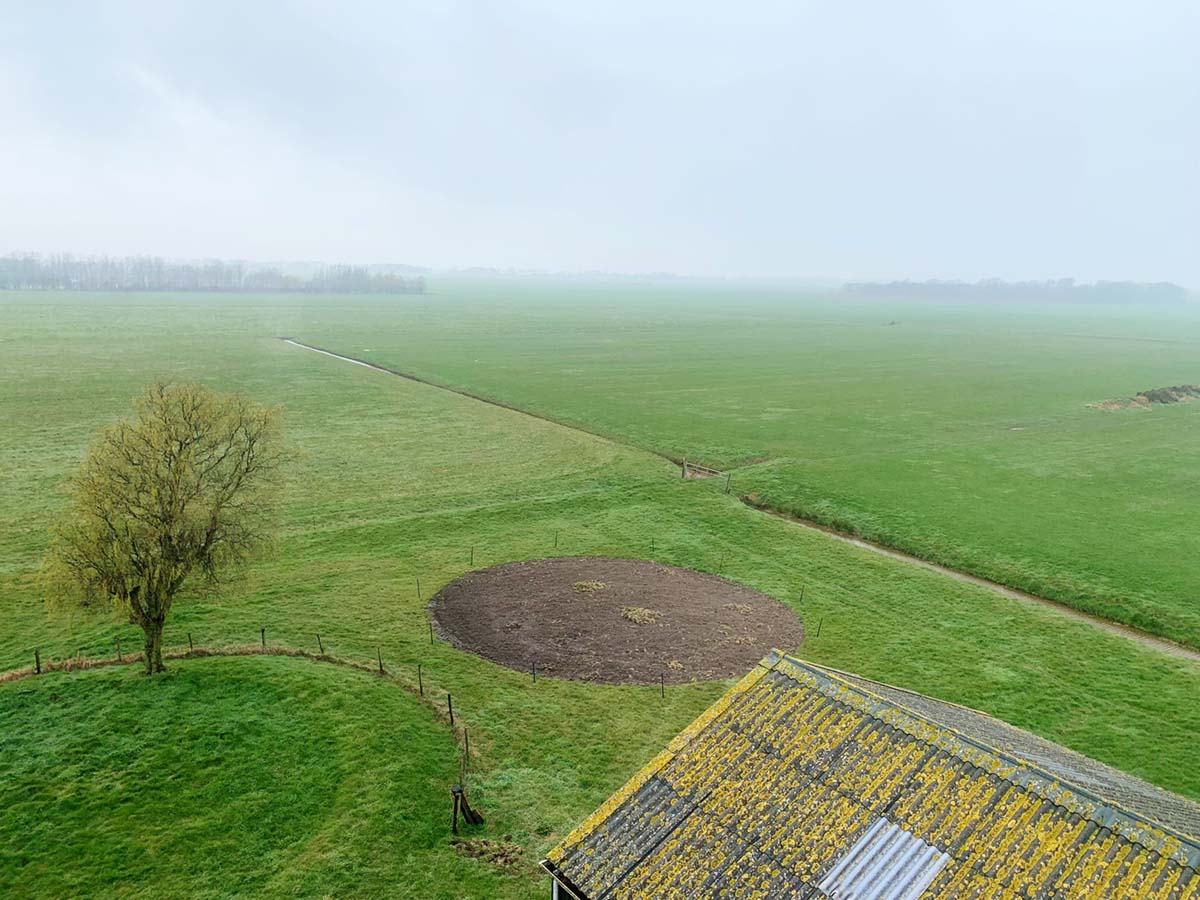
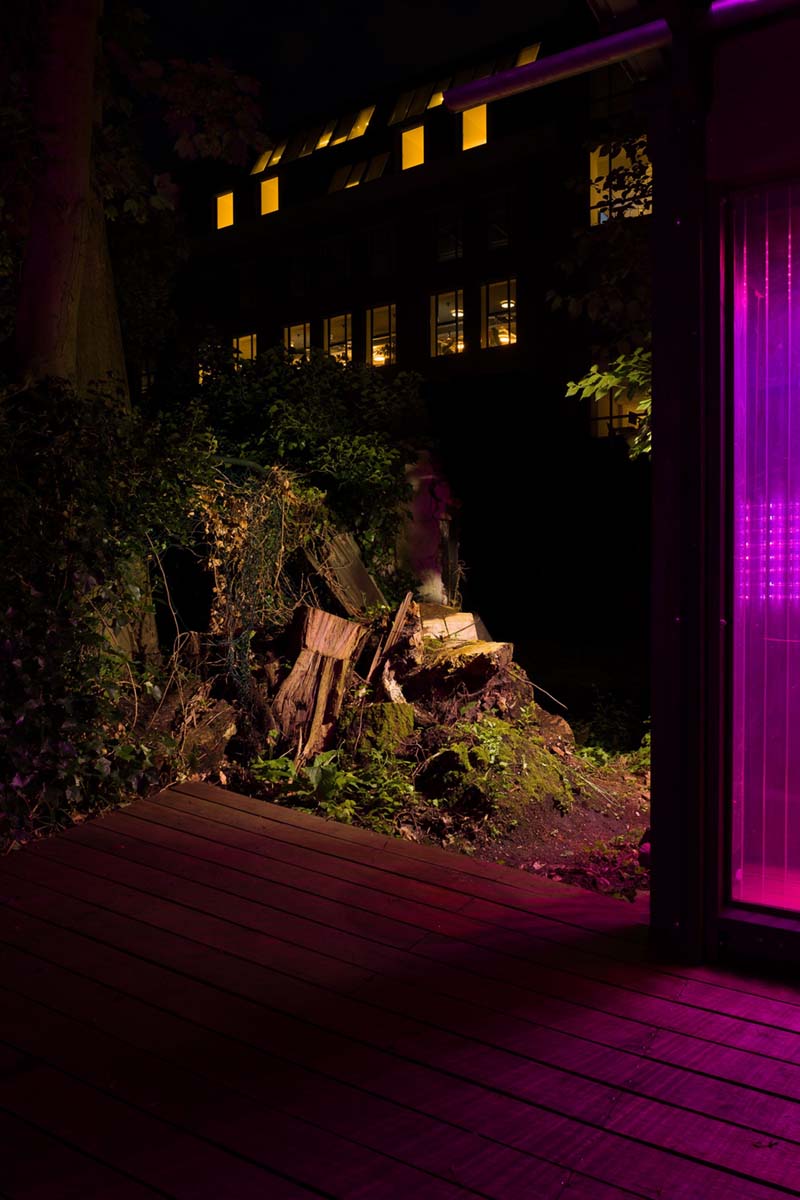
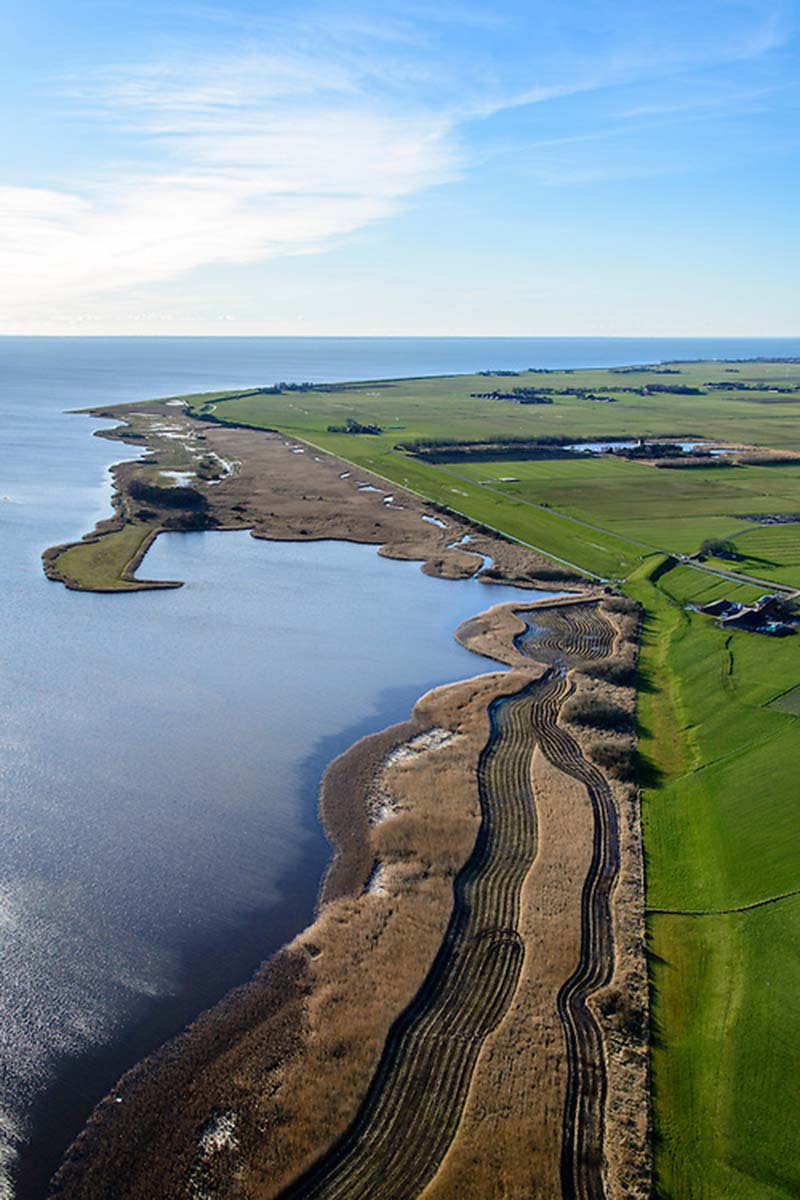
REST is currently situated in an over one and a half centuries old farm in the countryside of Friesland, The Netherlands. The plot of land lies solitarily in an open landscape and is surrounded by rolling grasslands, old forests, the IJsselmeer, nature reserves and Dutch cliffs. Despite the seemingly natural environment, it is mostly an industrial landscape. The farmland was reclaimed in 1632, the woods were planted by an Amsterdam regent family in the 18th century as coppice forest and with the construction of the Afsluitdijk in 1932 the IJsselmeer was born, together with a new ecosystem. Only the rolling landscape and cliffs, now mostly covered by intensive agriculture, are naturally formed by massive glaciers during the Saale Glaciation.
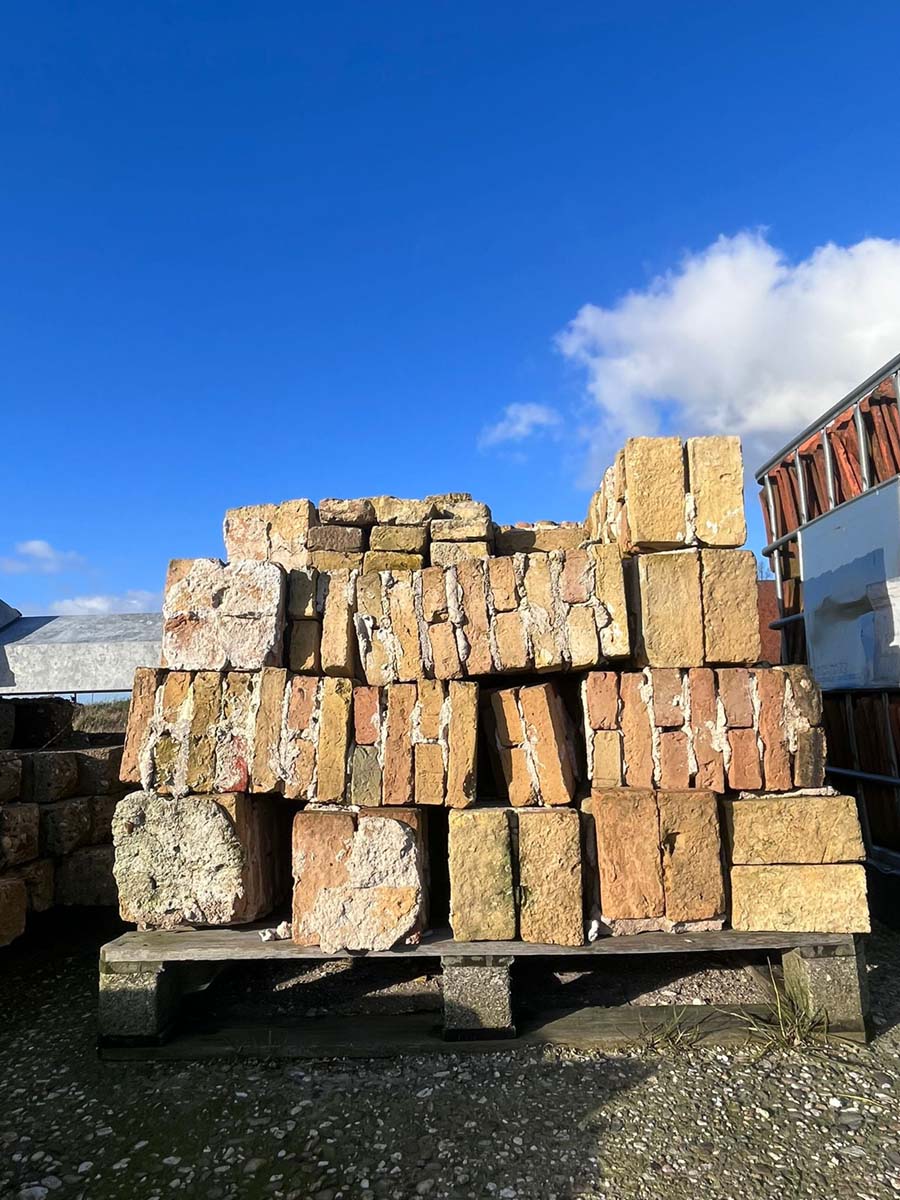
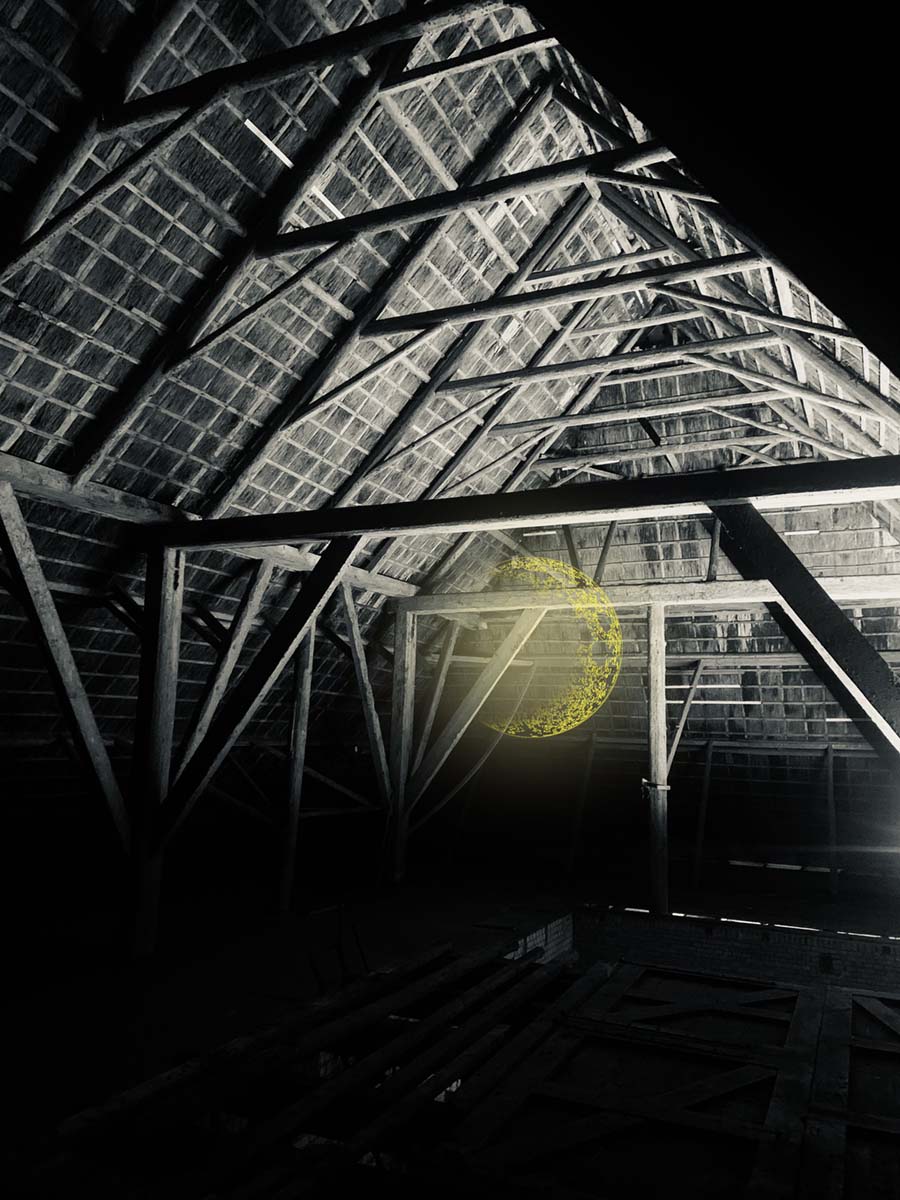
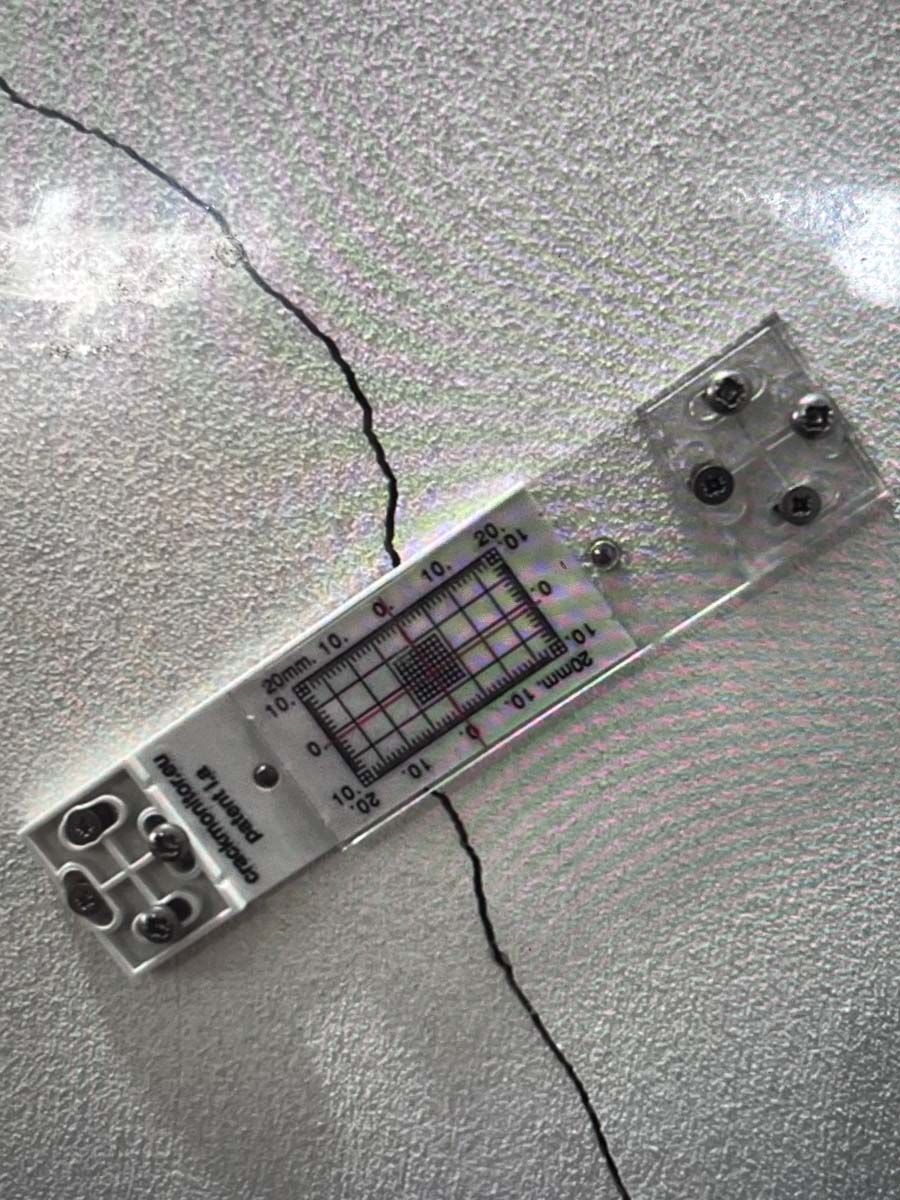
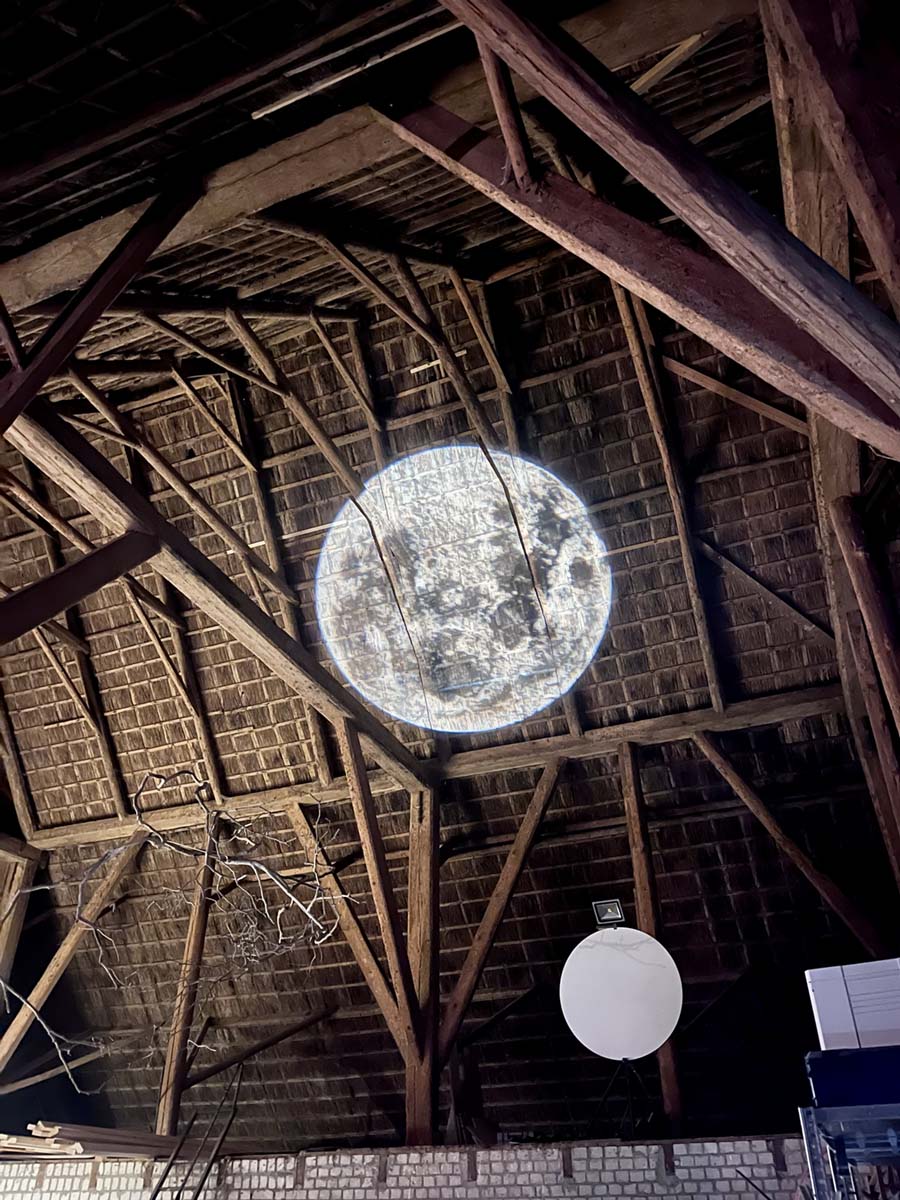
The building and surrounding lands bear clear marks of the past and can be traced as a story through time. Beams with empty dovetail joints turn out to be from the first constructions in the polder; dendrological research shows they were felled the year before the reclamation. Green patina of copper nails in others indicate the reuse of an old dismantled wooden ship. On a much larger scale in space and time, the soil reveals the formation of the landscape. Sand, clay, and silt have accumulated on the land due to the movements of ice caps, sea levels, and tides over millennia. Similarly, historical eras and events such as Fryske Frijheid, Hanseatic cities, dike breaches, the land consolidation laws brought a layered narrative to the contemporary landscape. The barn floor also illustrates these agricultural scale expansions in a patchwork of sand cement poured over bricks, reinforced concrete, and modern Stelcon slabs.
The focus on something small can open a much broader view, in both time and space. The wall of a pit in the ground depicts the stratification of the soil over thousands of years. A small puncture in a wooden pile reveals global industrialization and plundered forests in the early modern period. A tiny harbor with one last fishing boat exposes how Modernist ideals can ruin ecosystems and the many ways of life that surround it. These transformations exceed the border of any land. Similarly, contemporary local issues like rural depopulation, declining social welfare, depleted natural resources and more extreme weather due to the climate crisis occur globally in micro and macro scale.
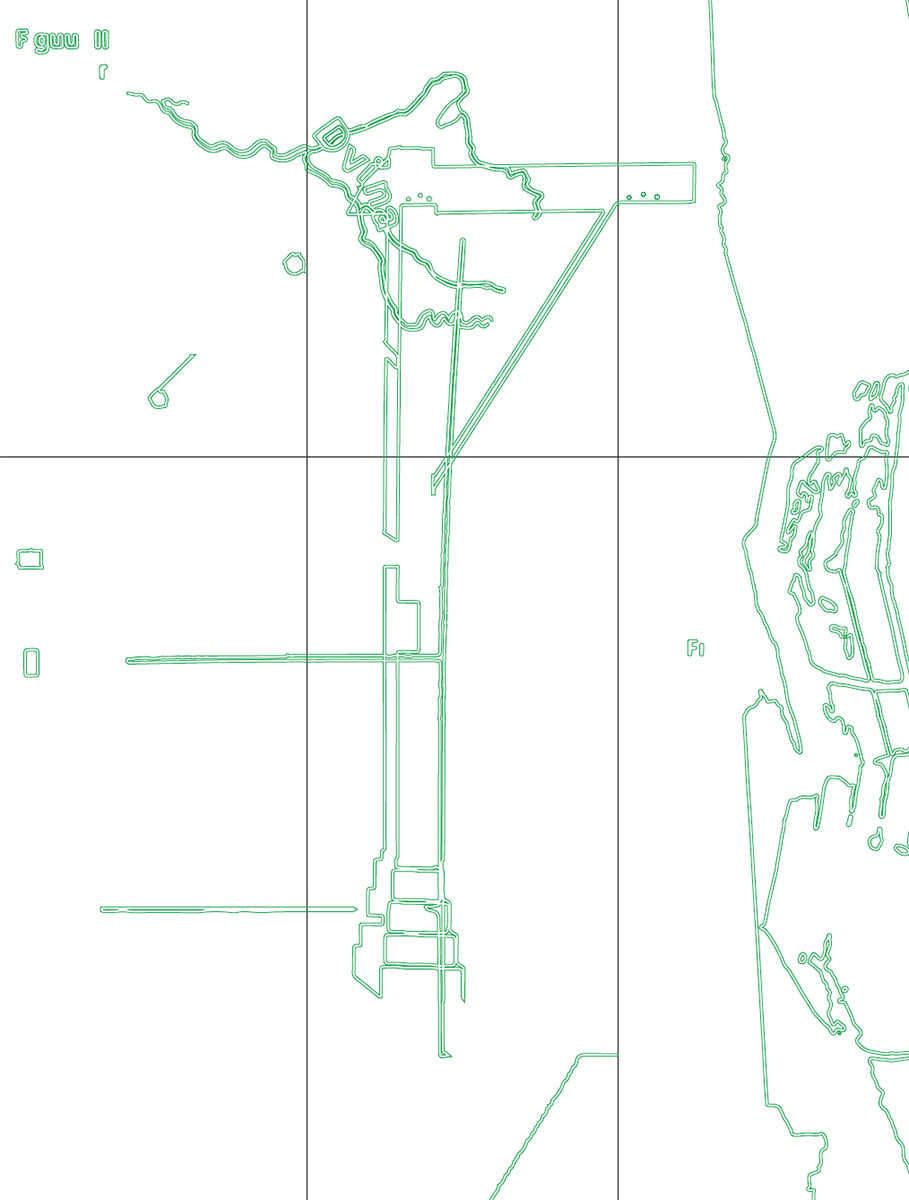
The location of REST is defined by a multiplicity of perspectives, as becomes apparent in every encounter. A carpenter points to artisanal wood joints and master marks in the bents; a researcher maps out the distribution of predators through camera traps to avoid the extinct of bird species; the former farmer exposes old underground pipes and wells; a fellow villager sees allies in the protest against extensive sand extraction off the coast; a planner clarifies landscape transformations through cadastral maps; and the neighbor laments the fauna that disappeared from his youth. Contradictions that challenge the world today such as conservative and progressive, natural and artificial, solitaire and communal or local and international can only be dissolved by uniting diverse points of view.