R
E
S
T

Geo-Archaeology

Geo-Archaeology

Geo-Archaeology

entry n°
G-082
type
scientific research
themes
archaeology
environment
research
date
1 August 2026
August 2026
2026
 – 
12 September 2026
September 2026
2026
location
by
Dr. Ella Egberts
with
REST

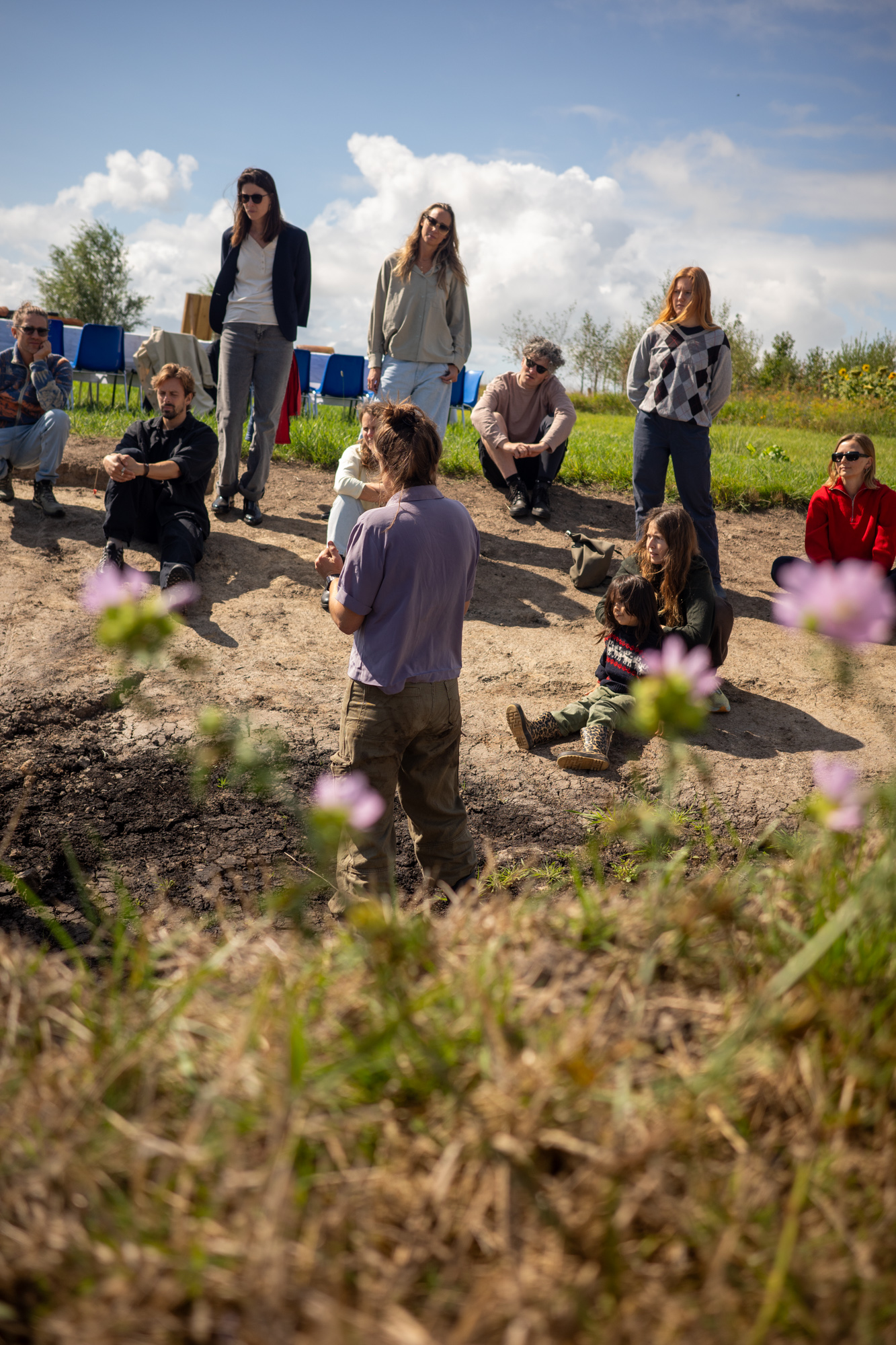
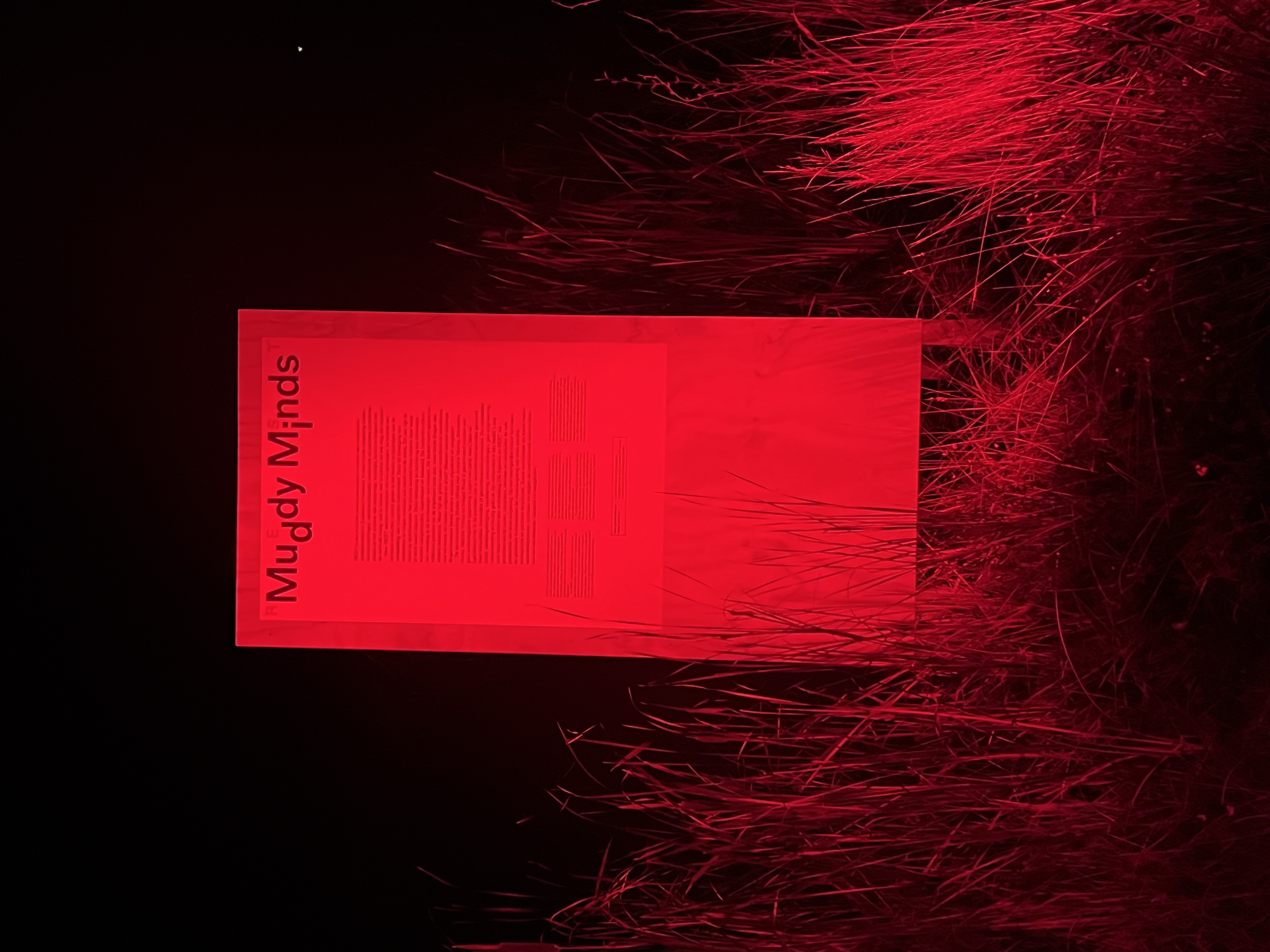
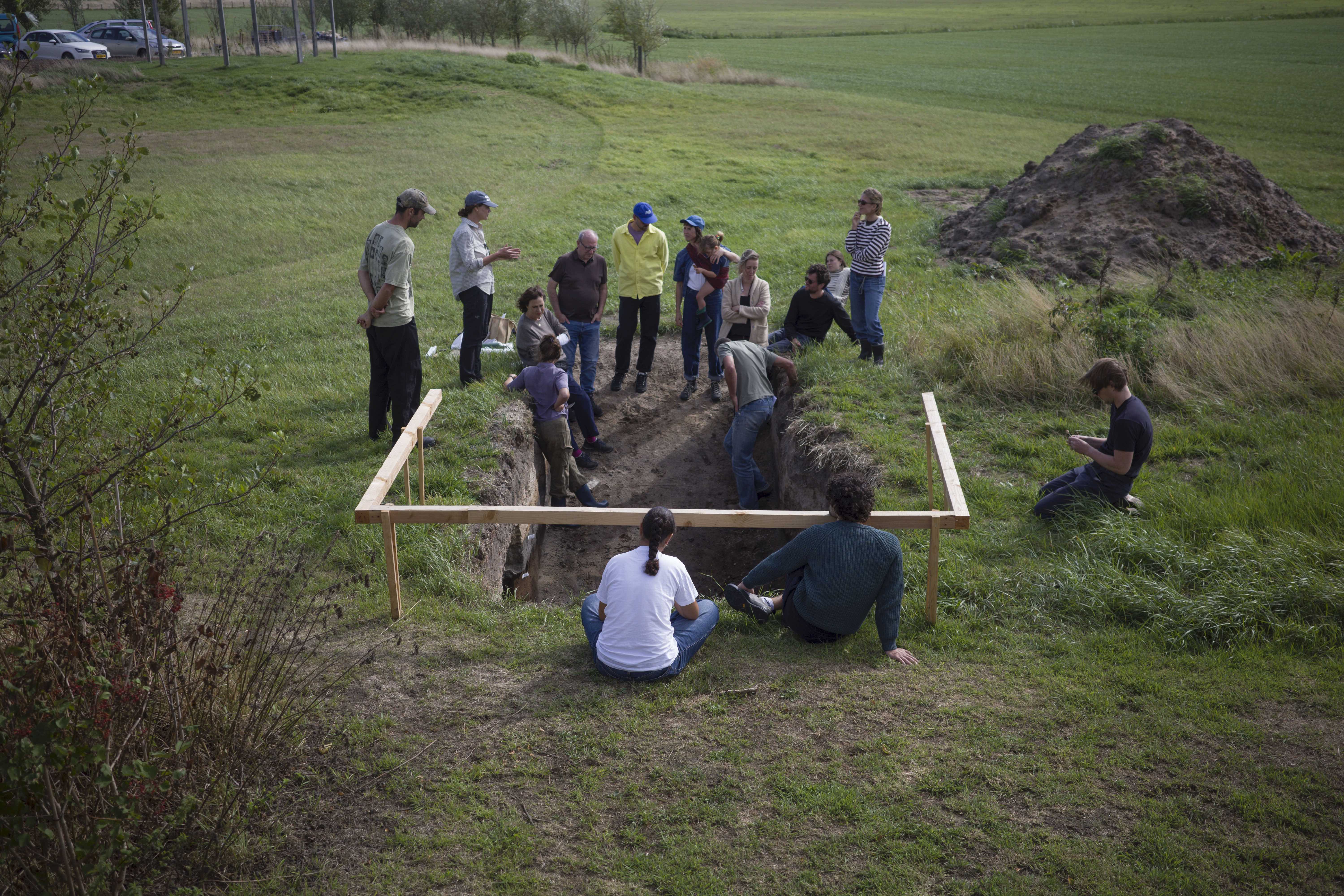
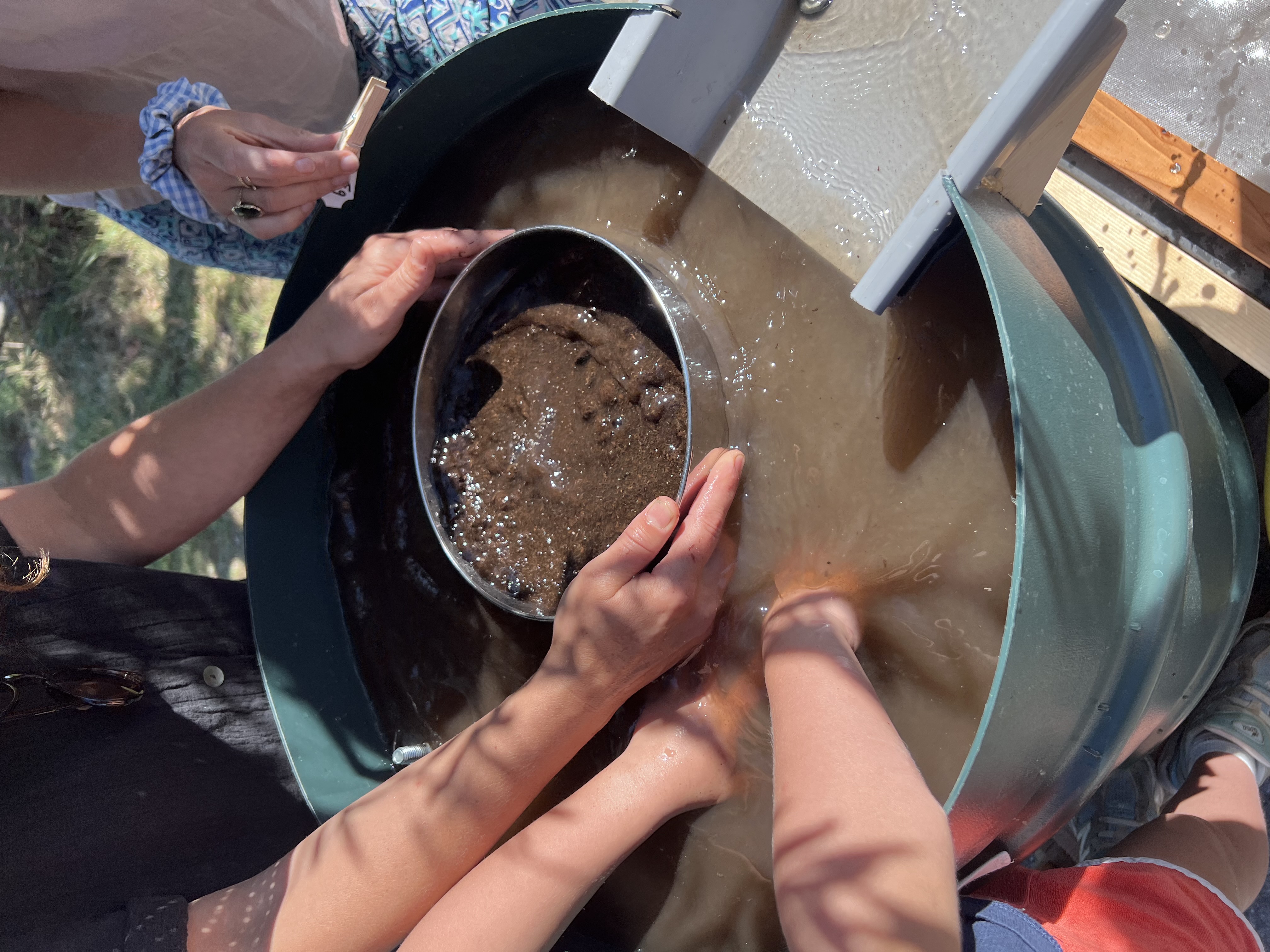
In close collaboration, geo-archaeologist Dr. Ella Egberts and REST carried out sedimentological research on site as part of Muddy Minds, an exhibition featuring artists Jumana Manna, Alexandra Hunts, Matilde Yilmaz, and Magali Reus. The excavations form both the scientific and artistic starting point of the exhibition. The research unfolds over the course of the program, and visitors could become part of it directly, through presentations, participatory sessions, and workshops that opened the excavation process to the public rather than presenting only its results. Both archaeology and art make visible the value systems and expose the ongoing process of selecting what we preserve, forget, or discard.
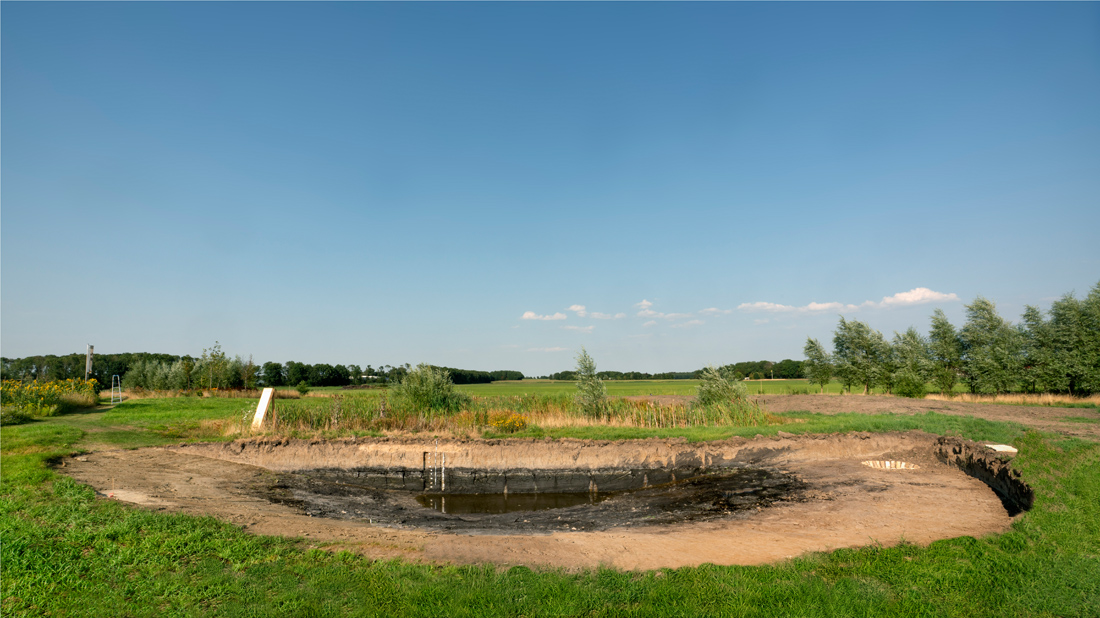
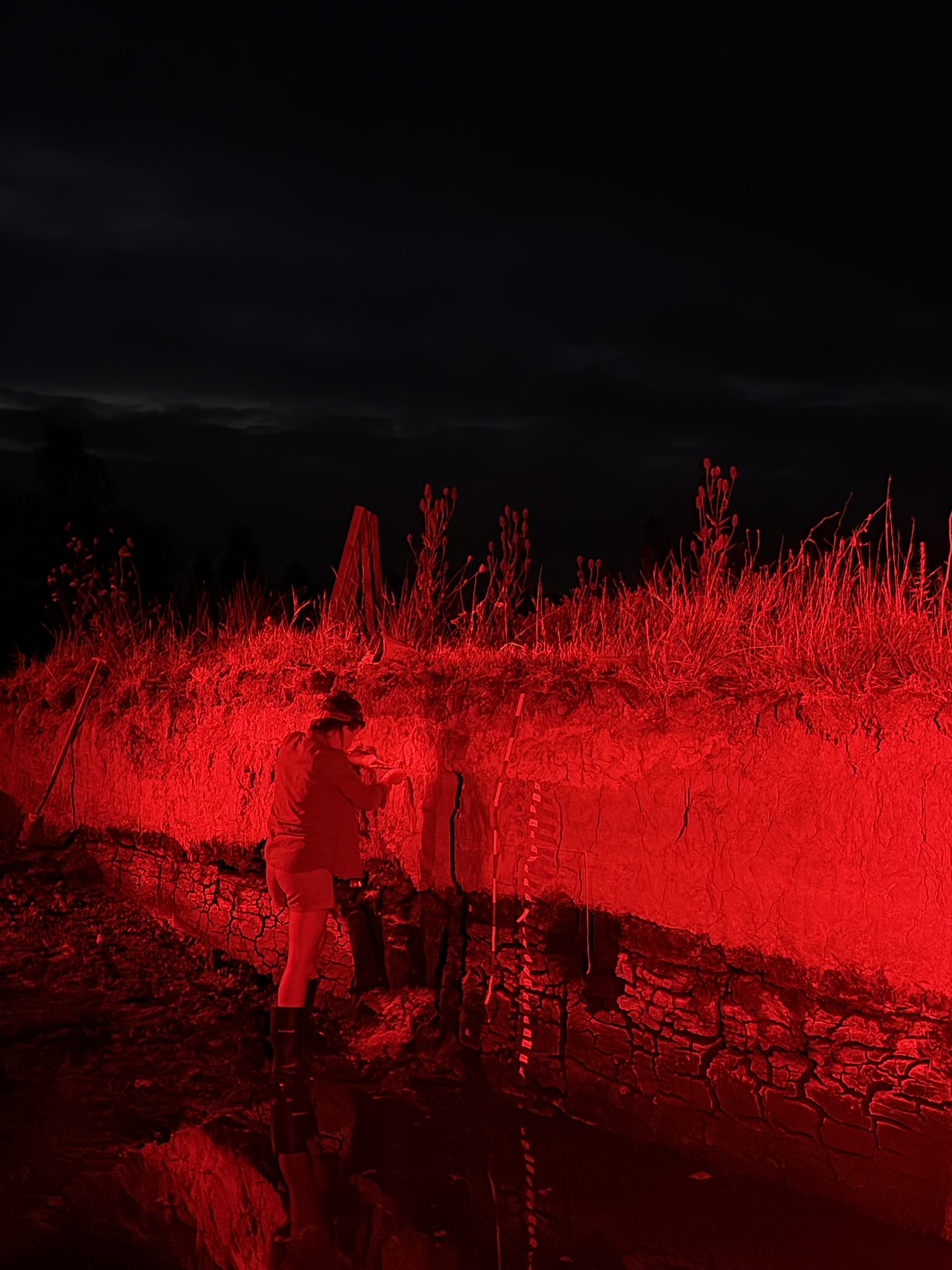
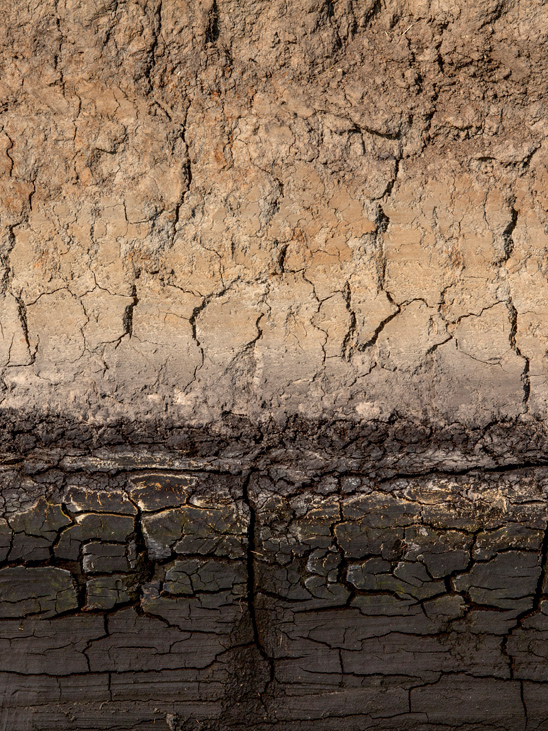
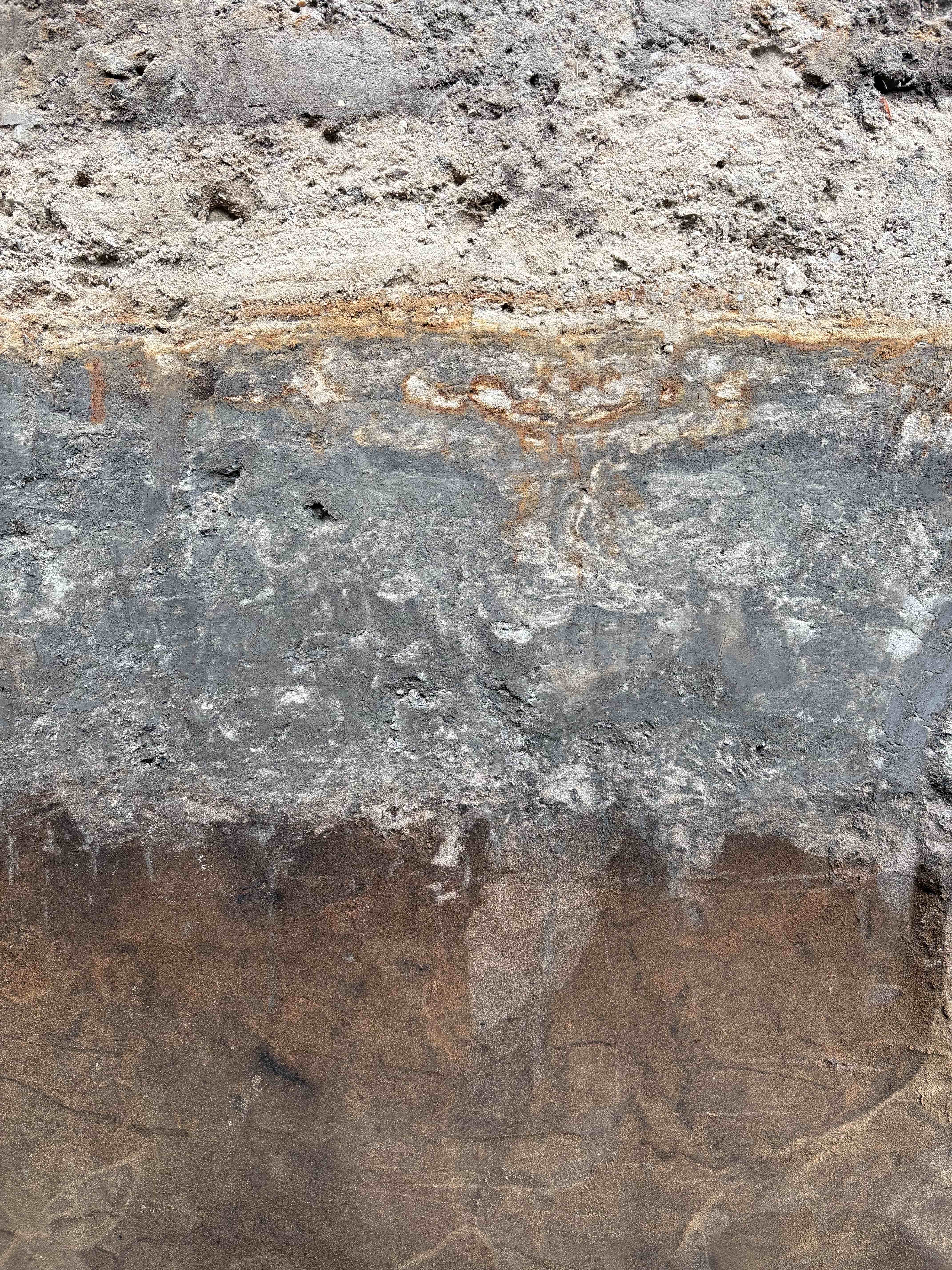
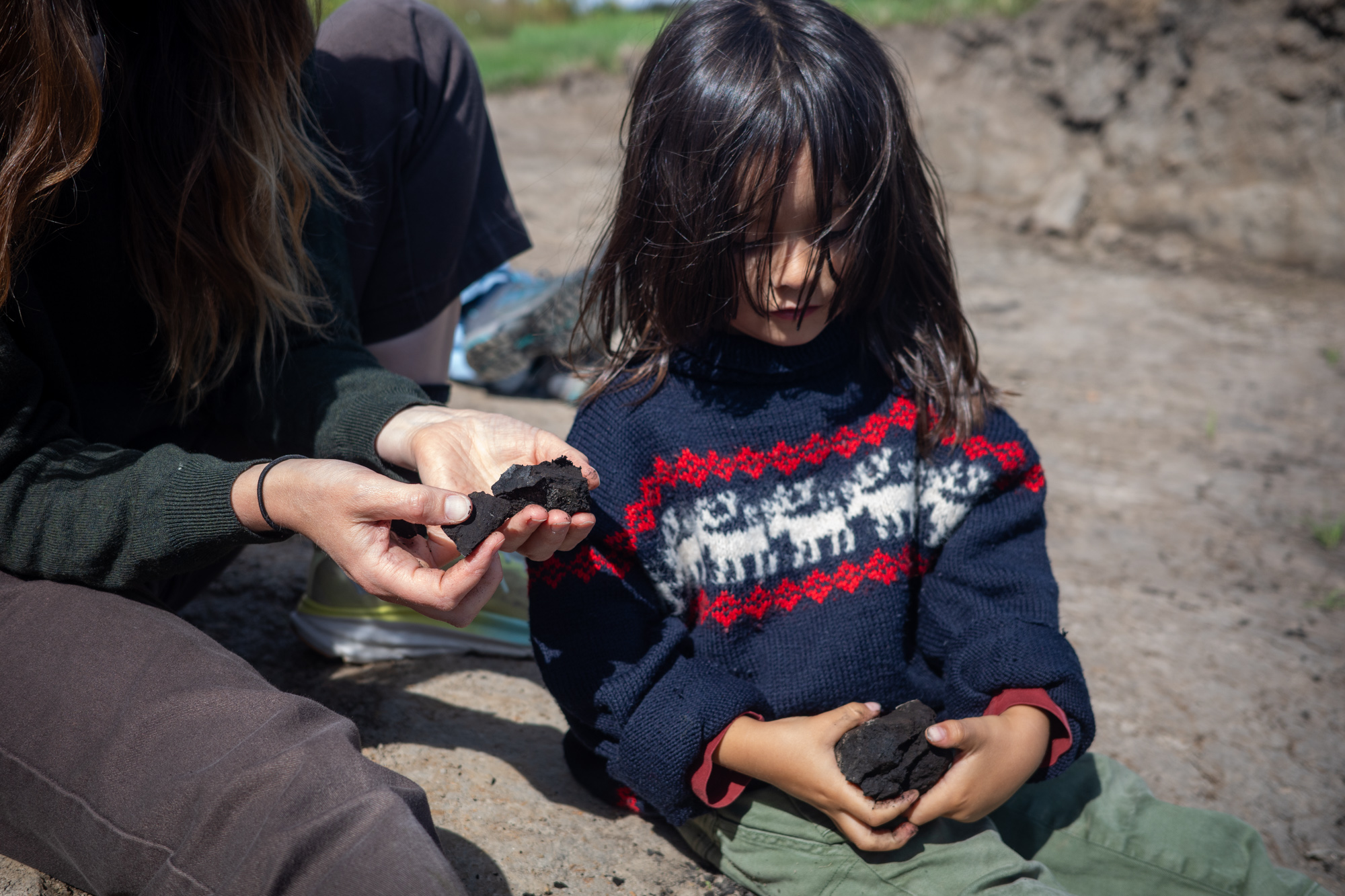
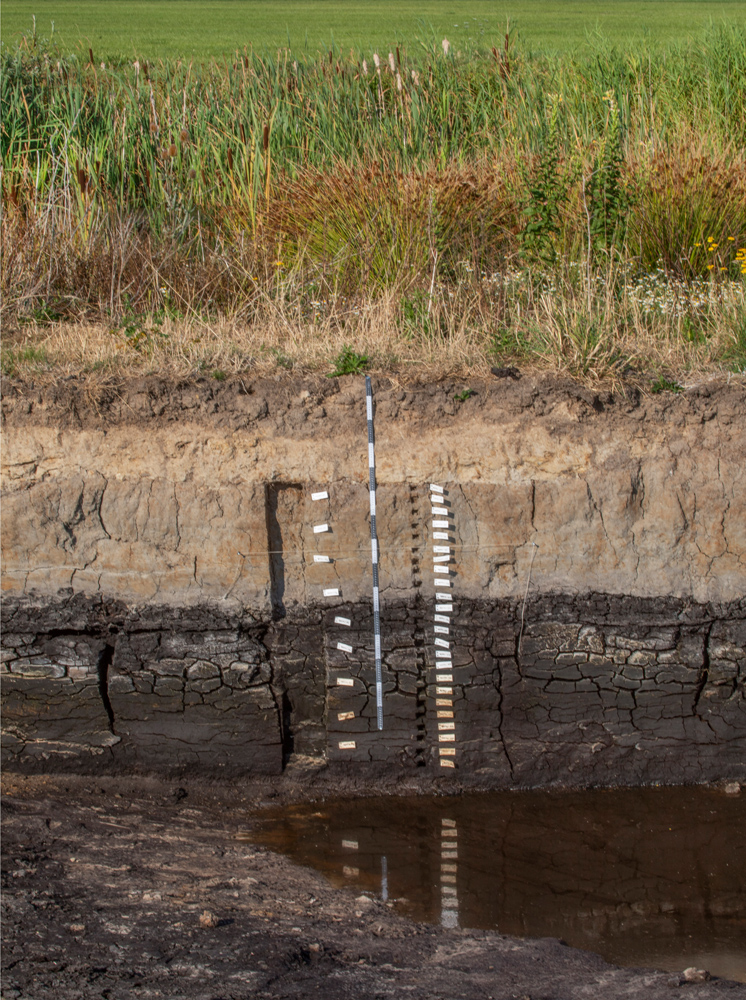
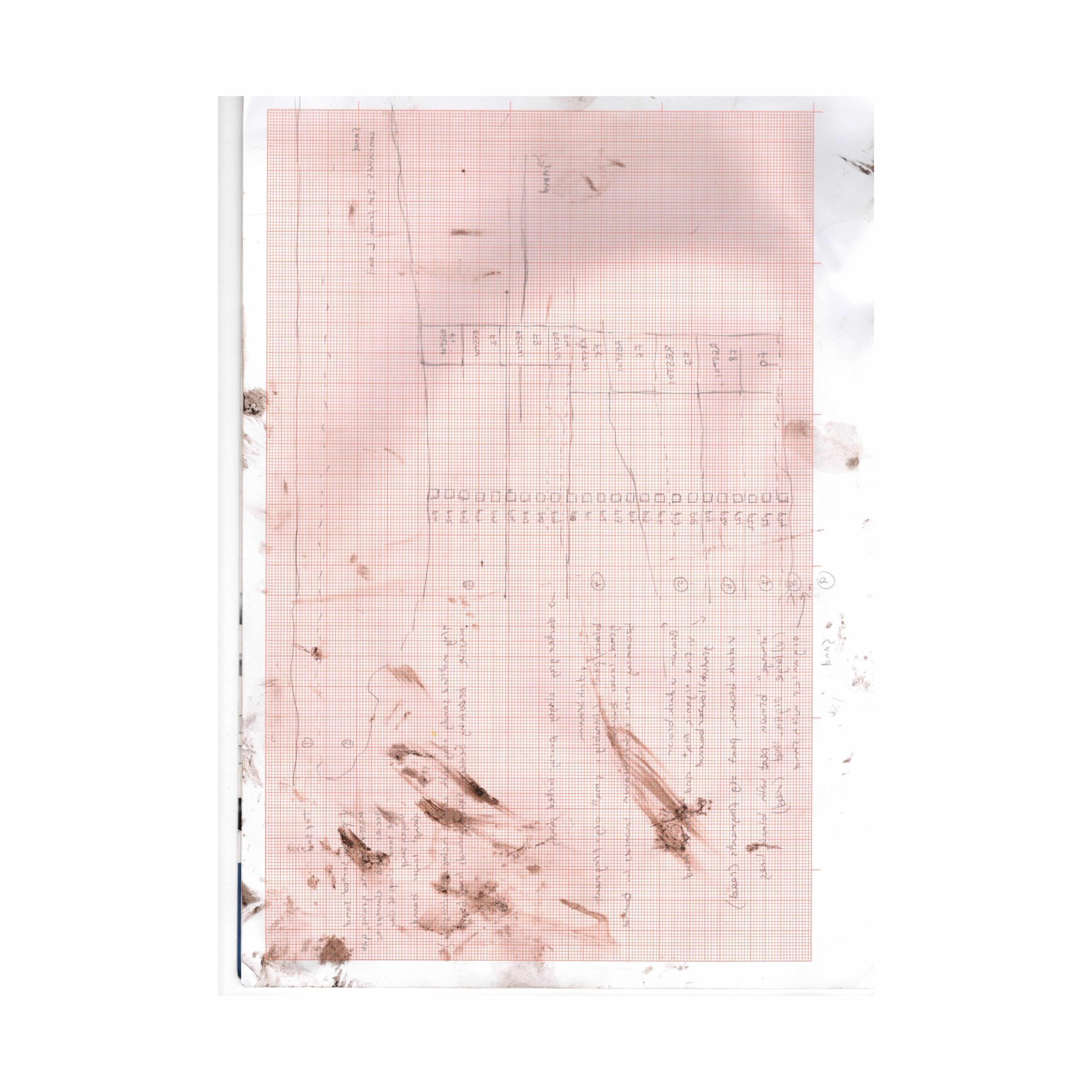
Two profiles were opened on the highest and lowest point of the plot, some 2 meters apart in elevation, each a cross-section through time. Where the IJsselmeer now lies, a freshwater lake also lay for thousands of years, until eight hundred years ago. Its plant-rich edges decomposed into a deep black layer of peat; centuries later the Zuiderzee sealed this bay with marine clay, laid down evenly by each storm tide.

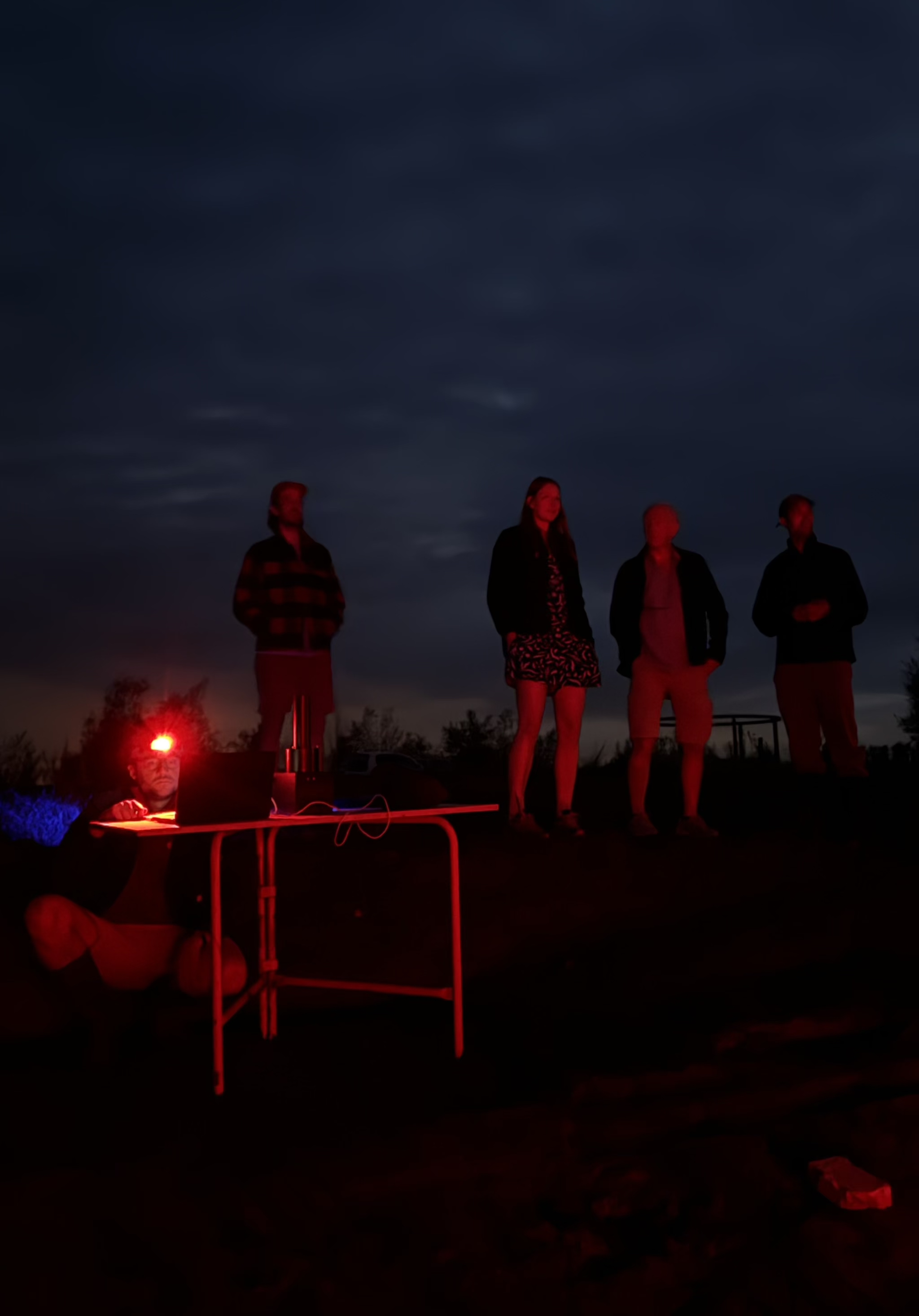
Nearby, an open tidal zone left reddish, iron-oxidized sand, hospitable to lugworms and shellfish, with clay settling above as the bay silted up. After the 1632 land reclamation, both profiles were capped by traces of human use: raised and worked polder soil, and a rubble-strewn topsoil marking later habitation. To read these layers, the excavation combined environmental sampling with portable OSL (pOSL) profiling, a technique that measures light-sensitive energy stored in minerals like quartz and feldspar since they were last exposed to daylight. Because that signal resets in sunlight, both sampling and measurement had to take place after dark, under red light of a wavelength that leaves the sediments undisturbed.

A landscape holds an archive that is never neutral: every grain of sand, clay, or peat is a fragment of an environment that once existed at that exact spot, and reading it means asking what happened here, what covered what, and why. Geo-archaeology looks past the objects people left behind to the natural processes that shaped and buried them: how sediments moved, settled, and were reworked by water, wind, or human hands, and what those layers reveal about the wider landscape they were part of. Dating this material connects one layer to another, and those layers, in turn, to the human history unfolding around them. Reading the ground this way turns excavation into an act of interpretation as much as discovery, one that archaeology and art, in their different registers, both perform.

REST, initiated by artist Saskia Noor van Imhoff and designer Arnout Meijer, collaborated with Dr. Ella Egberts, postdoctoral researcher in geo-archaeology at the Vrije Universiteit Brussel. The project is supported by Iona Stichting, Vrije Universiteit Brussel and Cultuurfonds, with additional funding from the Van Cuijck Fonds, the Archeologie Plus Fonds, and the Fonds voor Archeologie en Publiek.